OTP vs. OTP: One-Time Password vs. One-Time Pad
In the world of technology and security, the acronym OTP can stand for two completely different concepts. One is a modern tool we use every single day, while the other is a classic, unbreakable encryption method from the history books.
One-Time Password (OTP)
A One-Time Password is a temporary, automatically generated string of numbers or characters. It is used to authenticate a user for a single login session or transaction.
- How it works: It is sent dynamically via SMS, email, or a push notification. It can also be generated offline by authenticator apps (like Google Authenticator) based on the current time.
- Lifespan: It expires very quickly, usually within 30 to 60 seconds.
- Purpose: It acts as an extra security layer, known as Two-Factor Authentication (2FA). It protects your online banking, social media, and personal accounts from hackers even if they know your main password.
One-Time Pad (OTP)
A One-Time Pad is a classic encryption method that uses a physical paper pad filled with truly random characters. When used correctly, it offers mathematically perfect secrecy.
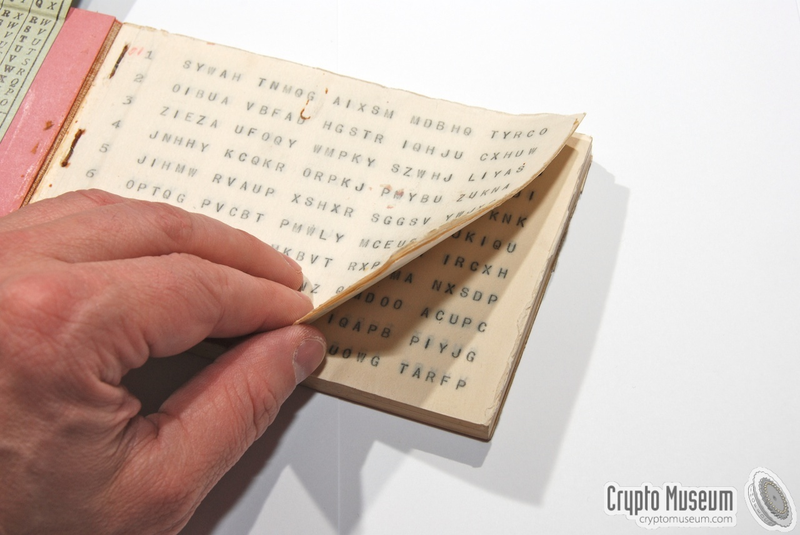
Source: Crypto Museum
- How it works: Both the sender and the receiver possess an identical paper pad. The sender mixes the secret message with a line of random text from the pad using a cipher table. The receiver then uses their matching pad to decode the message.
- The Golden Rule: Each page of the pad must be used exactly once and then destroyed immediately. If a page is ever reused, the encryption becomes vulnerable to cracking.
- History: Because it requires no computers or electricity, it was heavily used by spies during the Cold War for secure, offline communication.